



The Importance of a Pre-Construction Checklist for Your Custom Home
Table of Contents
- Introduction
- Why a Pre-Construction Checklist Matters
- Key Items to Include in Your Checklist
- Common Mistakes to Avoid
- How a Builder Can Help You Stay on Track
- Conclusion
1. Introduction

Building your dream home is one of life’s most exciting milestones—but it can also be one of the most overwhelming if you’re not fully prepared. From design decisions to securing permits, there are dozens of moving parts that need to be aligned before construction begins. This is where a pre-construction checklist becomes your best friend.
Think of it as the blueprint for your building journey—covering every detail so you don’t miss important steps, run into unexpected costs, or face frustrating delays. Whether you’re working with a builder from day one or managing parts of the process yourself, having a detailed plan in place can mean the difference between a smooth experience and a stressful one.
2. Why a Pre-Construction Checklist Matters
The early stages of building a custom home are crucial. Without proper organization, small oversights can snowball into costly and time-consuming problems. A pre-construction checklist helps you:
- Stay organized – Keep track of deadlines, documents, and approvals in one place.
- Prevent costly mistakes – Address potential issues before they affect the build.
- Maintain your budget – Plan for expenses and avoid surprise costs.
- Streamline communication – Ensure you, your builder, and your design team are always on the same page.
For example, securing all necessary permits ahead of time can save you from weeks of delays and potential penalties. Likewise, finalizing your floor plan early ensures that tradespeople can work efficiently without costly changes mid-project.
3. Key Items to Include in Your Checklist
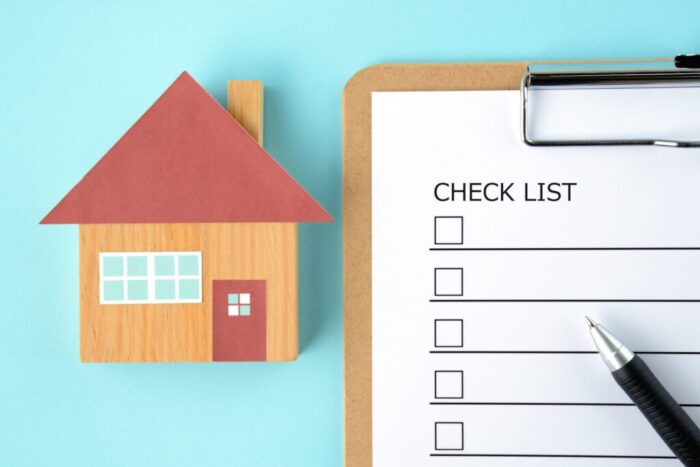
Every custom home project is unique, but there are core elements that belong on almost every pre-construction list:
- Finalize Your Design Plans – Ensure your floor plan, elevations, and material selections are approved. Double-check room dimensions, window placements, and layout flow.
- Set Your Budget – Account for construction costs, design fees, permits, inspections, landscaping, and a contingency fund (usually 10–15%).
- Secure Financing – Obtain pre-approval and understand the terms of your loan, including interest rate locks and draw schedules.
- Choose Your Builder – Interview multiple contractors, review references, and compare detailed proposals.
- Obtain Permits & Approvals – Verify zoning requirements and submit applications early. Some approvals can take weeks or even months.
- Select Materials & Finishes – Decide on flooring, cabinetry, fixtures, and paint colors ahead of time to avoid delays in ordering and delivery.
By taking care of these items early, you’ll reduce last-minute decisions and keep your build on track.
4. Common Mistakes to Avoid
Even with a checklist, homeowners sometimes make avoidable missteps. The most common include:
- Skipping Detailed Planning – Rushing into construction without complete plans leads to mid-project changes, which are costly.
- Underestimating Costs – Forgetting to budget for smaller expenses like landscaping or furnishings can push you over your limit.
- Delaying Material Selections – Waiting too long to choose finishes can cause supply chain delays.
- Poor Communication – Not having regular updates with your builder can result in misunderstandings or missed details.
Avoiding these pitfalls will save you time, money, and unnecessary stress.
5. How a Builder Can Help You Stay on Track
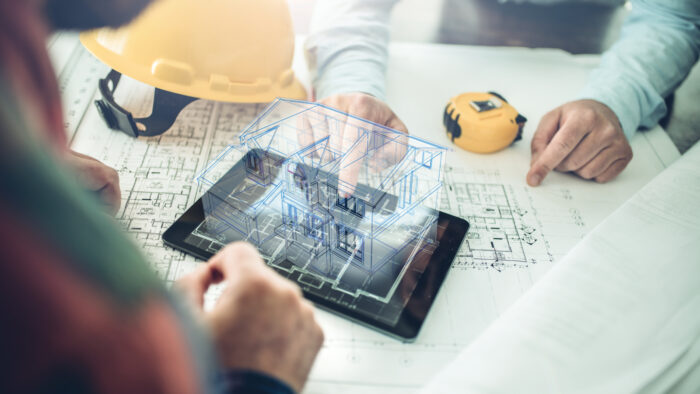
A skilled builder does more than just oversee construction—they’re a valuable partner in the planning process. Here’s how they can help:
- Expert Guidance – They can suggest cost-effective alternatives that maintain quality and style.
- Timeline Management – Builders ensure that each phase is completed on schedule and in the correct sequence.
- Permit Assistance – They know the local building codes and can help you navigate approval processes faster.
- Vendor & Trade Coordination – Builders manage subcontractors to keep work flowing smoothly.
When you work closely with a builder from the start, you benefit from their experience, which can help avoid many of the common mistakes homeowners make during planning.
6. Conclusion
A pre-construction checklist is more than a piece of paper—it’s the foundation for a successful home build. By outlining every step, you protect your budget, prevent delays, and create a smoother path toward your dream home.
Ready to start building with confidence?
Contact Rick Somers today for a customized pre-construction plan that aligns with your vision, timeline, and budget.